Why many fail at gambling despite great intentions
The Allure of Gambling
Many people approach gambling with enthusiasm, often believing that they can beat the odds or, at the very least, enjoy the thrill. The excitement created by flashing lights, the sound of coins, and the feeling of a potential win adds to the temptation of gambling. Yet, despite entering the casino or online platform with the best intentions, many walk away disappointed. For some, the initial success turns into a stubborn hope that they can recapture that early victory, leading them deeper into losses. A participant can easily check out the best online pokies nz to add to the excitement, but the reality is often harsh.
Additionally, the entertainment aspect of gambling often clouds judgment. Most people start playing games with a mindset for enjoyment rather than strategic financial planning. When losses begin to mount, those same players may become desperate to win back what they lost, blurring the line between entertainment and obsession. This psychological slip can contribute greatly to poor decision-making and financial ruin, leading many to fail despite their original hopes.

The Role of Misconceptions
One of the largest pitfalls that new gamblers face stems from common misconceptions. Many believe that luck is the primary factor influencing wins, neglecting the role of skill or probability. This belief fosters the idea that one can control outcomes in games heavily based on chance, such as slots or roulette. In reality, each game has its mechanics and odds, and believing otherwise can lead to reckless behavior.
Moreover, many gamblers assume that they can win back losses with increased bets or by playing longer. This flawed logic can create a cycle of chasing losses rather than recognizing when to stop. The prevailing myths surrounding gambling can mislead individuals into believing they are on the verge of a breakthrough, only to dig themselves deeper into financial trouble.
The Psychological Trap of Gambling
The psychology of gambling is intricate and often works against good intentions. Gamblers frequently experience what is known as the “gambler’s fallacy,” the belief that previous outcomes affect future results. For example, if a player observes a particular number not hitting in roulette, they may believe it’s ‘due’ to win soon, leading to illogical decision-making. This repeated cycle can result in one bad choice after another, leading individuals to a point where they feel powerless.
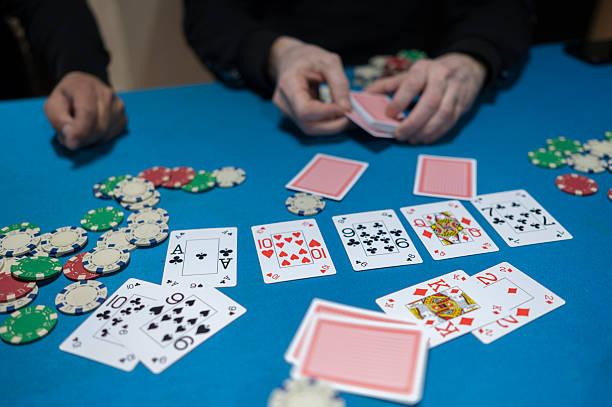
Additionally, many people gamble to cope with personal issues, seeking an escape or trying to fill an emotional void. Unfortunately, this approach can create a dangerous dependence on gambling as a source of relief. The withdrawal from this behavior can be incredibly challenging, as individuals may replace their original struggles with new ones related to gambling addiction. The disconnect between the intention to gamble responsibly and the eventual outcomes can often paint a grim picture of their experience.
The Importance of Setting Limits
Setting limits is overlooked by many gamblers who come with good intentions. Identifying and adhering to one’s budget is essential for responsible gambling. However, those drawn to the excitement might dismiss this critical step in their gambling experience, believing that they can manage their spending even as emotions surge. The adrenaline rush from winning can easily eclipse this rational thought, leading to impulsive spending and, ultimately, loss.
Moreover, a lack of limits can translate to increased time spent gambling. The more time spent at the gaming table or machine, the higher the likelihood of significant financial losses. Without a clear sense of direction, many newcomers find themselves ensnared in an endless cycle of gambling, consistently justifying their engagement despite poor results. This absent-minded approach often leads to the very failure they sought to avoid when entering the gambling world.
Conclusion
The journey into gambling can be alluring and filled with hope, but it requires awareness and responsibility. Understanding the mechanics of gambling, recognizing the psychological traps, and setting firm limits are crucial for achieving a more responsible gambling experience. An online platform, such as the one mentioned previously, can provide entertainment but also demands caution. Those serious about gambling should seek information and resources to ensure they navigate their experiences thoughtfully and sustain enjoyment without facing downfall. This balance is essential for transcending the initial good intentions into successful engagement.
In essence, it’s vital to remember that gambling is designed to be fun, not a goldmine. By acknowledging the emotional and financial pitfalls, individuals can work towards harnessing their intentions and shaping a healthier relationship with gambling, thereby transforming their experiences from potential failures into responsible enjoyment.
Leave a Reply